


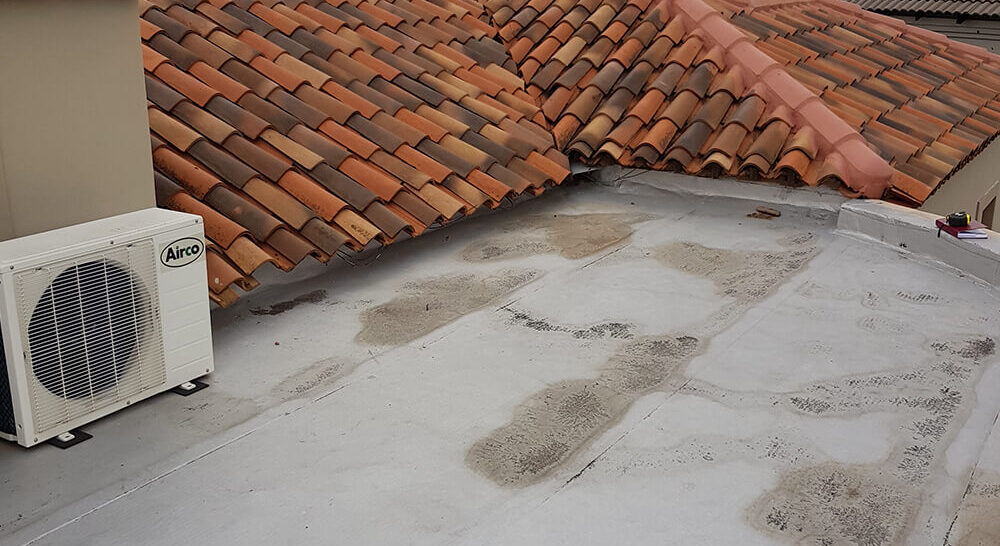
Your roof has a funny way of warning you before serious damage happens.
The problem is… many property owners ignore the signs until water starts dripping inside the house or major repairs become unavoidable.
What starts as a tiny leak, cracked tile, or small rust spot can quickly turn into expensive structural damage if left unattended.
The best part? Most roof problems give visible warning signs long before they become emergencies.
Knowing what to look out for can save you thousands in future repairs.
Water Stains on Ceilings or Walls
One of the most obvious warning signs is water stains appearing indoors.
Brown ceiling marks, bubbling paint, damp walls, or peeling surfaces often indicate that water is already finding its way through the roof structure.
Even small stains should never be ignored.
What’s even better is that catching leaks early usually means repairs are faster, simpler, and far less expensive.
Your Roof Is Starting to Sag
A sagging roof is a serious warning sign that requires immediate attention.
This can happen due to:
- Long-term water damage
- Weak roof supports
- Rotting timber
- Structural deterioration
- Excessive moisture buildup
If part of the roof appears uneven or droops lower than usual, it’s important to arrange a professional inspection as soon as possible.
Structural roof damage can become dangerous if left untreated.
Rust Spots Are Appearing
Rust may seem harmless at first, especially on metal roofing.
But once corrosion starts spreading, it slowly weakens roofing materials and creates entry points for water.
Small rust spots can often be treated early before larger roof sections require replacement.
The real deal is this:
Ignoring rust almost always makes repairs more expensive later.
Loose or Damaged Roof Sheets and Tiles
Strong winds, storms, and ageing materials can cause roof sheets or tiles to loosen over time.
This creates gaps where water can enter during heavy rain.
Signs to watch for include:
- Missing roof tiles
- Lifted roof sheets
- Cracked tiles
- Loose flashing
- Rattling sounds during wind
- Visible roof movement
Even one damaged section can affect the surrounding roof structure if ignored.
Blocked Gutters Are Overflowing
Many people don’t realise how much damage blocked gutters can cause.
When gutters overflow, water often runs back toward the roof, fascia boards, walls, and foundations instead of draining away properly.
Over time, this can lead to:
- Damp walls
- Rotting wood
- Waterproofing damage
- Ceiling leaks
- Foundation moisture problems
Regular gutter cleaning plays a huge role in protecting your roof system.
Paint Is Peeling or Bubbling
Peeling roof paint is more than just a cosmetic issue.
It often means the protective coating is failing, leaving roofing materials exposed to moisture, UV rays, and weather damage.
Once protective coatings weaken, roofs become far more vulnerable to:
- Rust
- Cracks
- Waterproofing failure
- Water penetration
This is why regular roof repainting and maintenance are so important.
Your Energy Bills Suddenly Increase
Here’s something many property owners don’t immediately connect to roof damage.
Poor roof condition can affect insulation and indoor temperature control.
Damaged roofing, moisture buildup, or failing waterproofing can cause properties to become hotter in summer and colder in winter, forcing cooling or heating systems to work harder.
Sometimes your roof problems start showing up in your electricity bill before visible leaks appear.
Mold or Damp Smells Indoors
If certain rooms constantly smell damp or musty, hidden roof leaks could be the cause.
Moisture trapped inside ceilings or walls creates the perfect environment for mold growth.
Besides property damage, mold can also affect indoor air quality and health.
The hidden gem here is that early roof inspections can often identify these moisture issues before mold spreads further.
Storm Damage Should Never Be Ignored
After heavy storms, hail, or strong winds, it’s always smart to inspect your roof even if no leaks are immediately visible.
Storm damage can loosen materials, damage waterproofing, crack tiles, or weaken flashing without obvious signs from the ground.
A quick professional inspection after severe weather can help identify hidden damage before the next rainfall makes things worse.
Regular Roof Inspections Prevent Bigger Problems
One of the smartest things property owners can do is schedule regular roof inspections.
Routine inspections help identify:
- Early leaks
- Rust formation
- Waterproofing issues
- Drainage problems
- Structural concerns
- Damaged flashing
- Weak roof sections
Preventative maintenance almost always costs less than emergency repairs.
Don’t Wait for Water to Enter Your Property
Your roof protects your entire property every single day.
The moment warning signs appear, it’s important to act quickly before small issues turn into major repairs.
It gets better – early maintenance can dramatically extend the lifespan of your roof while helping you avoid costly future damage.
And honestly… nobody wants to discover a roof leak during a midnight thunderstorm